



The largest dockworkers' strike in the US in half a century: deliveries of food and cars are at risk, and inflation may rise
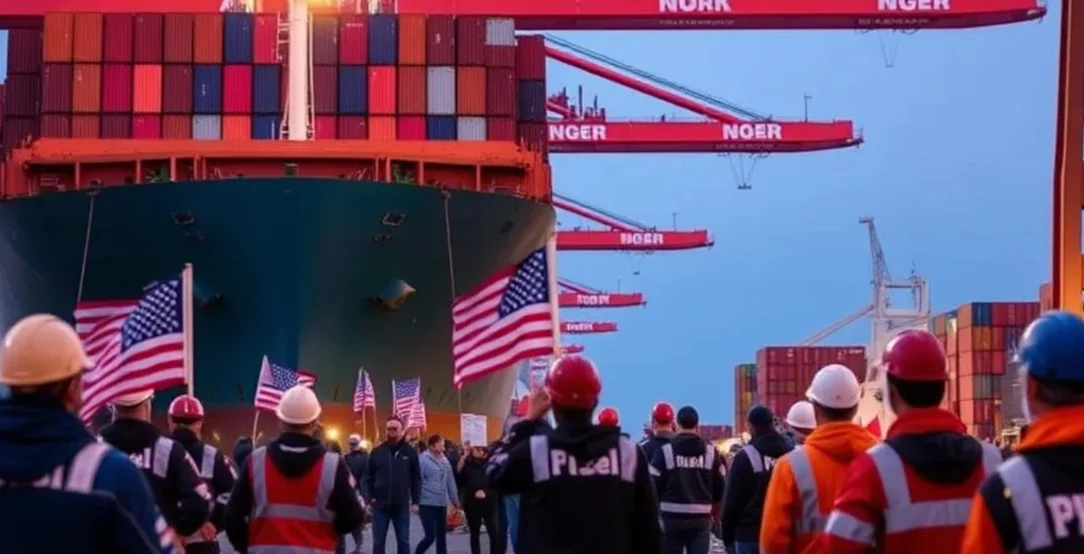
The Dockworkers' Strike in the U.S.: Its Beginnings and Scope
On October 1, 2024, the largest dockworkers’ strike in the past 50 years began on the U.S. East Coast and the Gulf Coast. For the first time since 1977, thousands of port workers walked off the job, bringing about half of the country’s maritime shipments to a halt. The strike was triggered by the breakdown of negotiations over a new collective bargaining agreement due to disagreements regarding wages and working conditions.
Impact on the Supply Chain: A Threat to Food Supplies and the Economy
The strike is already blocking the delivery of a wide range of goods—from food to automobiles. Ports from Maine to Texas have suspended operations, which could lead to significant supply chain disruptions across the U.S. Analysts predict that if the strike continues, it will cost the economy an estimated $3.8–4.5 billion per day, increasing risks to the labor market and intensifying inflationary pressures.
Experts at JP Morgan warn that if the strike lasts several weeks, it could cause serious disruptions in the supply chain, leading to rising prices and shortages of goods. Retailers are not yet experiencing acute shortages, as they stocked up in advance, especially ahead of the holidays. But if the port shutdown drags on, the consequences for the U.S. economy could be devastating.
How the Strike Will Affect the Market: Expert Opinions
According to Jay Dhokhia, founder of the logistics company Pro3PL, if the strike continues, it will lead to massive delays across all links in the supply chain. “Such disruptions will trigger a chain reaction that will most likely make itself felt in 2025, causing chaos in logistics and other industries,” he noted.
The Union’s Position and Workers’ Demands
Boise Butler, president of the dockworkers’ union, stated that the main goal of the strike is to secure a fair contract that will protect workers from automation and ensure decent pay. According to him, shipping companies reaped billions in profits during the pandemic thanks to rising service prices, and now is the time to share those profits with those who keep the ports running. Butler added that the union is prepared to continue the strike for as long as it takes to reach a fair agreement.
Political Context: A Strike Amid an Election
The strike began just a few weeks before the U.S. presidential election, which lends the situation additional political significance. Its impact on the economy and the labor market could become a key factor in the election campaign.


