



From May 1, 2025, new rules take effect in Ukraine: 'emerald' traffic lights and petrol with alcohol
Starting May 1, 2025, several important changes in the areas of traffic and fuel will take effect in Ukraine. Specifically, updated standards for traffic lights will take effect (so-called “emerald” signals will replace the familiar green ones), and the use of gasoline blended with alcohol (bioethanol) will become mandatory at gas stations. These changes are aimed at improving safety and environmental sustainability, as well as harmonizing with European standards. In this article, we’ll take a detailed look at exactly what will change in Ukraine starting May 1, 2025, and how it will affect drivers.
The Introduction of “Emerald” Traffic Lights in Ukraine
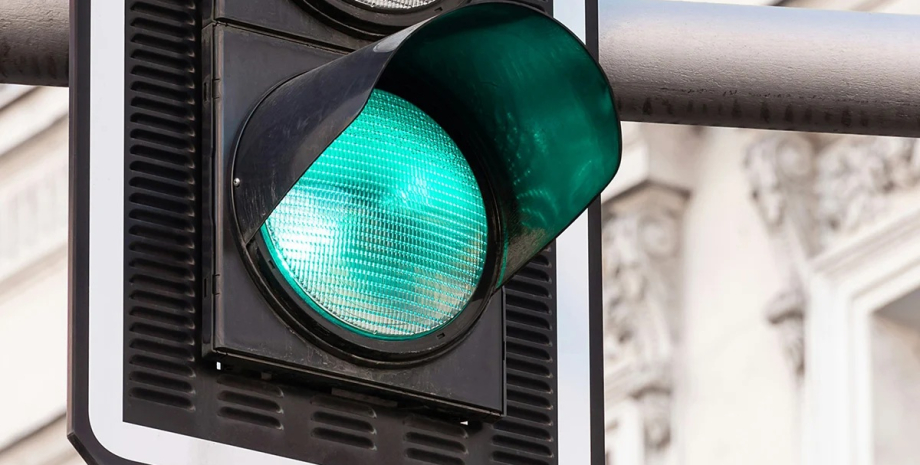
The updated DSTU 4092:2024 standard, “Traffic Signals,” takes effect on May 1, 2025. Its main innovation is the introduction of a different shade of green, unofficially called “emerald.” In fact, it is a more saturated shade of green, closer to European standards, which is more easily perceived by drivers (especially in bright light and from a distance). It is expected that the emerald traffic light signal will be more visible and offer greater contrast than the classic green, thereby improving traffic safety. Ukraine is introducing this color standard as part of its harmonization with EU practices. However, the term “emerald” does not appear in the standard itself—standard color names (red, yellow, green) are used; green has simply been adjusted to a new, more saturated shade modeled after the EU standard.
In addition to the traffic light colors, the new standard also provides for a number of other changes in the design of traffic light structures:
-
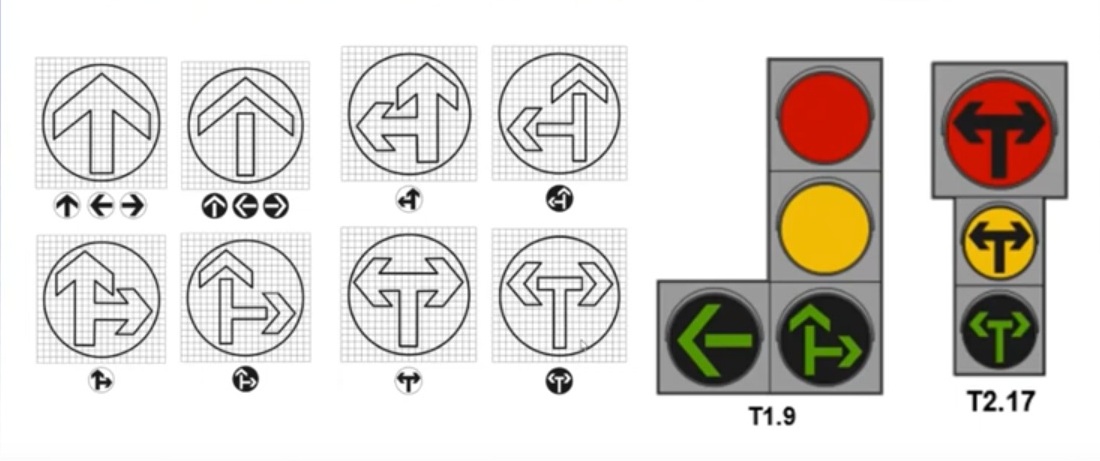
Chevron-shaped turn arrows. On traffic signal lenses, the direction arrows will be designed in a chevron shape (angular, arrow-like), making them more visible and easier for drivers to understand. The new arrow design will improve the visibility of directional indicators, especially at complex and multi-lane intersections.
-
Special signals for cyclists. Separate bicycle traffic lights with a bicycle pictogram are being introduced. The lens diameter for such signals will be 100 mm if the traffic light is installed at the level of the bike path or on the side of the road, and 200 mm if the traffic light is located above the roadway. This innovation is designed to better organize bicycle traffic at intersections. Combined bicycle-pedestrian traffic lights are also planned, allowing for the simultaneous regulation of both pedestrians and cyclists at shared crossings.
-
Countdown timers. The new standard regulates the installation of digital timers that display the time remaining until the signal changes. Such timers may be installed on both pedestrian traffic lights and vehicle traffic lights (including bicycle traffic lights). The presence of a timer allows drivers and pedestrians to better gauge the time remaining and reduces the likelihood of sudden braking or stepping into the street as the signal is about to change.
-
Audible devices for the visually impaired. DSTU 4092:2024 also requires that new traffic lights be equipped with audible signals to assist people with visual impairments when crossing the street. The audible cues (a ticking sound or a “crossing permitted” signal) are synchronized with the green light for pedestrians, which enhances safety and convenience for blind pedestrians.
-
Pedestrian signal request buttons. As part of the standard, buttons for pedestrians (and cyclists) are being installed at crosswalks, allowing them to request a green light. This optimizes traffic signal operation in low-traffic areas and reduces unnecessary delays for vehicles.
All of these innovations will be implemented gradually. Authorities emphasize that existing traffic lights will not be replaced immediately across the board—the new requirements will primarily apply to the installation of new traffic light systems, as well as during the planned reconstruction and modernization of existing intersections. In other words, the familiar green signals on traffic lights already in operation will remain until the end of their service life or until they are scheduled for replacement. The widespread disappearance of old traffic lights will not happen overnight: the transition to the “emerald” color and other innovations will be gradual, as infrastructure is updated.
Note: Although the new signal shade is called emerald, formally, in regulatory documents, it is still the same green color—just brighter and more saturated. The main goal of the change is to improve the visibility of the signals and bring them in line with the uniform standards used in Europe.
Gasoline blended with ethanol (E5) has become mandatory at gas stations in Ukraine
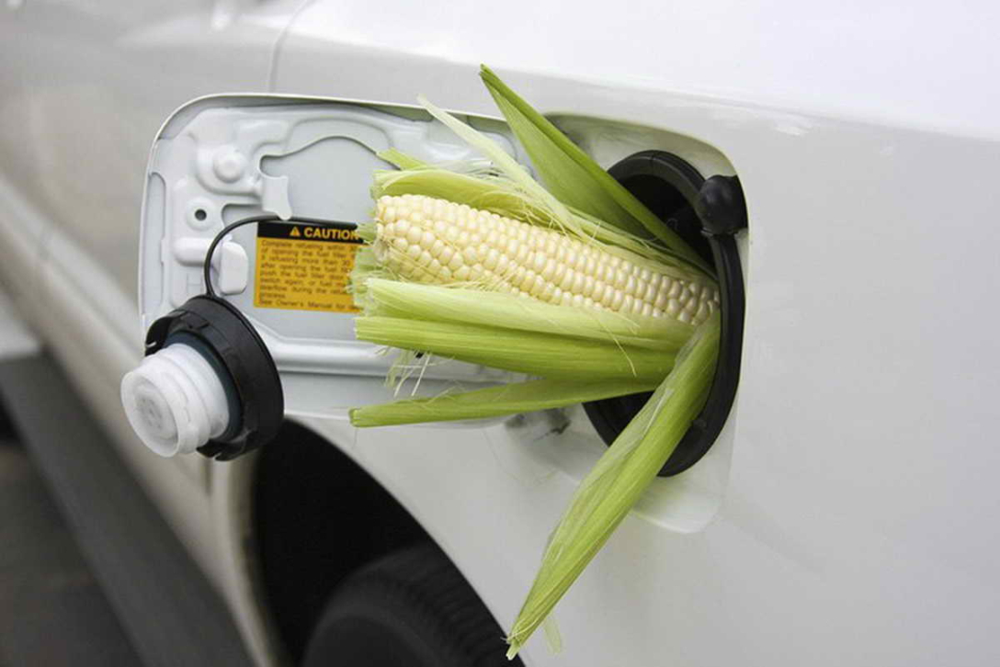
Bioethanol is produced from agricultural raw materials (such as grain crops), so adding it to fuel helps reduce dependence on oil imports and improve the environmental situation.
Along with these changes on the roads, gasoline containing bioethanol has been introduced at all Ukrainian gas stations effective May 1, 2025. According to the requirements of the updated legislation, from now on, any gasoline sold in Ukraine must contain at least 5% bioethanol (ethyl alcohol). This fuel product is labeled as E5 (for example, A-95 E5). The only exceptions are for high-octane A-98 gasoline and for special-purpose fuel purchased for the needs of the Ministry of Defense and the State Reserve—these types of gasoline may be supplied without any alcohol admixture.
Reasons for the Transition to Bioethanol-Blended Fuel: The introduction of bioethanol-blended gasoline is driven by several factors: environmental, economic, and regulatory. First, adding biofuel helps reduce emissions of CO₂ and other harmful combustion byproducts—a gasoline blend containing a renewable component is considered more environmentally friendly. Second, bioethanol is produced from domestic agricultural raw materials (such as grain crops), which reduces dependence on imported petroleum products and supports Ukrainian producers. In fact, a portion of every liter of gasoline is replaced by locally produced ethanol. Third, the implementation of bioethanol standards fulfills the requirements of EU directives: In many European countries, E5 or E10 gasoline (containing 5% or 10% ethanol) is the standard, and Ukraine is adapting its legislation in accordance with its European integration commitments.
How will the new ethanol-blended gasoline affect cars? A 5% ethanol blend is considered relatively small and compatible with most gasoline engines. Experts note that all modern gasoline engines are designed to run on fuel with a low ethanol content—even cars manufactured in the 1990s and 2000s can run on E5 gasoline without any problems. Drivers generally do not notice any changes in the engine’s performance or operation when using this fuel. Concerns that “alcohol-blended” gasoline could damage the engine are largely considered a myth—problems usually arise only at very high alcohol concentrations (over 30%), which are not included in the proposed standards and are not planned for the future. Furthermore, the octane rating of E5 gasoline remains at the level of the base fuel (e.g., A-95), and sometimes even increases due to the high octane rating of the ethanol itself. Therefore, in terms of power or knock resistance, this fuel is no worse than regular A-95.
Nevertheless, bioethanol has its own characteristics that require attention: ethanol is a hygroscopic substance, meaning it absorbs moisture from the air. During prolonged storage of the fuel or in tanks that are not sufficiently clean, this can lead to the accumulation of condensate and even the separation of the gasoline (with water, alcohol, and gasoline separating into distinct layers). As a result, water contaminants can enter the fuel system, which can lead to corrosion and engine malfunctions. This is precisely why infrastructure preparations were carried out prior to the introduction of E5: oil depots and gas station tanks were cleaned of any water and deposits to avoid problems when mixing gasoline with alcohol. Major gas station chains reported that they had cleaned their tanks well in advance and even purchased ready-made E5 gasoline from European refineries, thereby minimizing the risk of poor quality. Small and lesser-known gas stations may be less prepared for this change, so experts are offering specific recommendations for car owners in the initial period following May 1.
Benefits of Using Bioethanol in Gasoline
-
Environmental friendliness. Reducing the share of fossil fuels by 5% leads to a decrease in greenhouse gas emissions from gasoline combustion. Bioethanol is considered a CO₂-neutral energy source, since the carbon dioxide released during its combustion was previously absorbed by plants during the growth of the raw materials.
-
Energy independence. A portion of the fuel is produced domestically from renewable raw materials. This reduces imports of petroleum products and supports the domestic agricultural sector. Ukraine gains a more independent and sustainable fuel source, which is particularly important given oil price volatility and geopolitical risks.
-
Compliance with EU standards. The transition to E5 gasoline meets European requirements and facilitates the integration of Ukraine’s fuel market with the EU market. For drivers, this means that Ukrainian fuel will not differ in quality or composition from what is offered in EU countries.
-
High octane rating. Ethanol has a high octane rating (~109–113), so adding it can increase the fuel’s overall octane rating. This helps maintain the stated specifications of gasoline (for example, A-95 remains 95 octane) and prevents knocking.
Possible drawbacks and risks of E5 gasoline
-
Hygroscopicity. Bioethanol actively absorbs moisture. If the fuel is stored improperly or the vehicle is used infrequently, water may accumulate in the gas tank. Condensation and water in the fuel can lead to rust in the tank, clogged fuel filters, and erratic engine performance. Drivers are advised to regularly check the condition of spark plugs and fuel filters, especially during the first few months after the introduction of the new fuel. This will allow for the timely detection of any abnormalities in engine performance.
-
A slight decrease in heat of combustion. Ethanol contains less energy per liter than pure gasoline. At a 5% blend, the difference is small, but theoretically, fuel consumption may increase slightly (by 1–2%). In practice, most drivers won’t notice this difference, especially if the fuel quality is high.
-
Compatibility with very old cars. Although E5 is safe for the vast majority of vehicles, cars manufactured before the 1980s could theoretically experience problems: ethanol can corrode old rubber seals or hoses that are not designed for contact with ethanol. However, there are very few such vintage cars, and the solution is simple—replace certain consumables with modern equivalents. For cars from the 1990s and 2000s, no special measures are required—they handle E5 with ease.
-
Cost and Price. Producing gasoline blended with bioethanol is slightly more expensive than producing regular gasoline. According to estimates, the cost per liter of E5 is approximately 50–80 kopecks higher due to the price of bioethanol. Ethanol itself is not a cheap alternative to gasoline—it is more of an environmental component than a way to reduce fuel costs. Therefore, one shouldn’t expect prices to drop due to the introduction of E5. Nevertheless, oil prices fell on the global market in the spring of 2025, which helped keep gasoline price increases in check. Experts predicted that the transition to E5 would not lead to an immediate price increase for consumers (and indeed, most gas station chains kept their prices the same after May 1).
Tips for drivers during the transition to ethanol-blended gasoline. Since the new blend requires impeccable storage and blending quality, experts advise being careful when choosing a gas station during the transition period. You should avoid filling up with the cheapest gasoline of unknown origin, especially in May and June 2025, while the industry is still adjusting. Sergey Kuyun, director of the A-95 consulting group and a fuel market expert, recommends refraining from purchasing extremely cheap fuel during the first few months after the standards are introduced. It’s better to fill up at large chain gas stations that have prepared in advance for the transition to E5 (by cleaning their tanks and establishing quality control). If circumstances force you to fill up at a little-known gas station, keep your receipt—in case of fuel quality issues, this will help you file a complaint. Also, avoid buying gasoline from illegal sources—such as “on the black market” or “from barrels”—where there is no quality control.
On the positive side, the introduction of the new gasoline went smoothly. Major gas station chains began gradually adding bioethanol even before May 1, blending it with their remaining fuel stocks. As a result, the transition was virtually unnoticeable for most car owners—vehicles were already running on E5, and no one complained of engine performance issues. Thus, provided that fuel quality recommendations are followed, gasoline blended with alcohol in Ukraine will not cause problems for drivers but will bring long-term environmental and economic benefits.
Elimination of Medical Certificates for Drivers—An Accompanying Reform
In addition to the innovations described above, Ukraine is also considering other reforms related to transportation safety. One such initiative is the elimination of mandatory medical certificates for drivers. This refers to Form No. 083/o, which is currently required when obtaining or renewing a driver’s license. In March 2025, Bill No. 13131 was introduced in the Verkhovna Rada, proposing to eliminate the paper medical certificate of fitness to drive. Instead, there are plans to introduce an electronic medical certificate: information about the driver’s health status will be automatically retrieved from the Unified State Medical Database (ESZO). Essentially, drivers will still need to undergo a medical examination, but they will no longer be required to carry a paper document—it will be sufficient for the information to be stored in the electronic system. The reform’s proponents note that this will simplify life for drivers and eliminate opportunities for corruption in the issuance of certificates. Certificates issued previously will presumably remain valid until their expiration dates, but new ones will no longer need to be obtained after the law takes effect (the changes are expected to take effect after 2025, if the law is passed).
Table: Key Changes in Ukraine Effective May 1, 2025
| Change | Details and Notes |
|---|---|
| New traffic signal standard | DSTU 4092:2024 “Traffic Signals” takes effect. A more saturated green signal (“emerald”) is introduced, chevron arrows on the lenses, separate bicycle traffic lights (100/200 mm) and combined bicycle-pedestrian lights, countdown timers, and audible signals on new traffic lights. Existing traffic lights will not be changed immediately; the new standards apply to new installations and upgrades. |
| Gasoline with bioethanol (E5) | Mandatory addition of ≥5% bioethanol to gasoline starting May 1, 2025. Exceptions include A-98 gasoline, fuel for the Ministry of Defense, and the State Reserve. The goals are to improve the environment and reduce oil imports (ethanol is produced in Ukraine). E5 gasoline is safe for all modern cars and does not affect engine performance. However, ethanol is hygroscopic, so fuel quality is important (tip: avoid suspiciously cheap gas stations at first). |
| Fuel Prices | The production cost of E5 gasoline is slightly higher (by 50–80 kopecks per liter), but this has not significantly affected retail prices due to the drop in global oil prices. Don’t expect gasoline prices to drop (bioethanol is more expensive than oil), but there hasn’t been a sharp price increase either. |
| Expert Advice | Drivers are advised to refuel at trusted chain gas stations initially and avoid using ultra-cheap gasoline of unknown origin to prevent water from getting into the fuel. It’s also a good idea to periodically check spark plugs and filters during the transition to E5. |
| Medical Certificates | At the same time, changes are being prepared to the procedure for obtaining driver’s licenses—there are plans to eliminate the mandatory Form 083/o medical certificate. Instead, electronic data on the driver’s health from eHealth systems will be used. The bill is currently under review, and this reform is expected to take effect later, separate from the changes scheduled for May 1, 2025. |
Conclusion: As of May 1, 2025, significant changes have taken place in Ukraine: modern traffic lights with improved signal visibility are gradually appearing on the roads, and more environmentally friendly E5 gasoline containing bioethanol is available at gas stations. These changes are intended to improve road safety and reduce the negative impact of transportation on the environment, bringing Ukraine closer to European standards. It is important for drivers to stay informed about these changes—to pay attention to the new traffic light signals and be more mindful when choosing fuel. The first few weeks of the transition period went relatively smoothly: major gas stations ensured the quality of alcohol-blended gasoline, and drivers did not notice any deterioration in their cars’ performance. By continuing to follow expert recommendations and monitoring the technical condition of their vehicles, Ukrainian drivers will be able to adapt to the new requirements without any problems. Looking ahead, further reforms (such as the elimination of medical certificates) will make life even easier for drivers and make the system more efficient.
📌 Stay up to date on the latest automotive news at bex-auto.com


