



What to check before buying a used car: key tips from professional mechanics
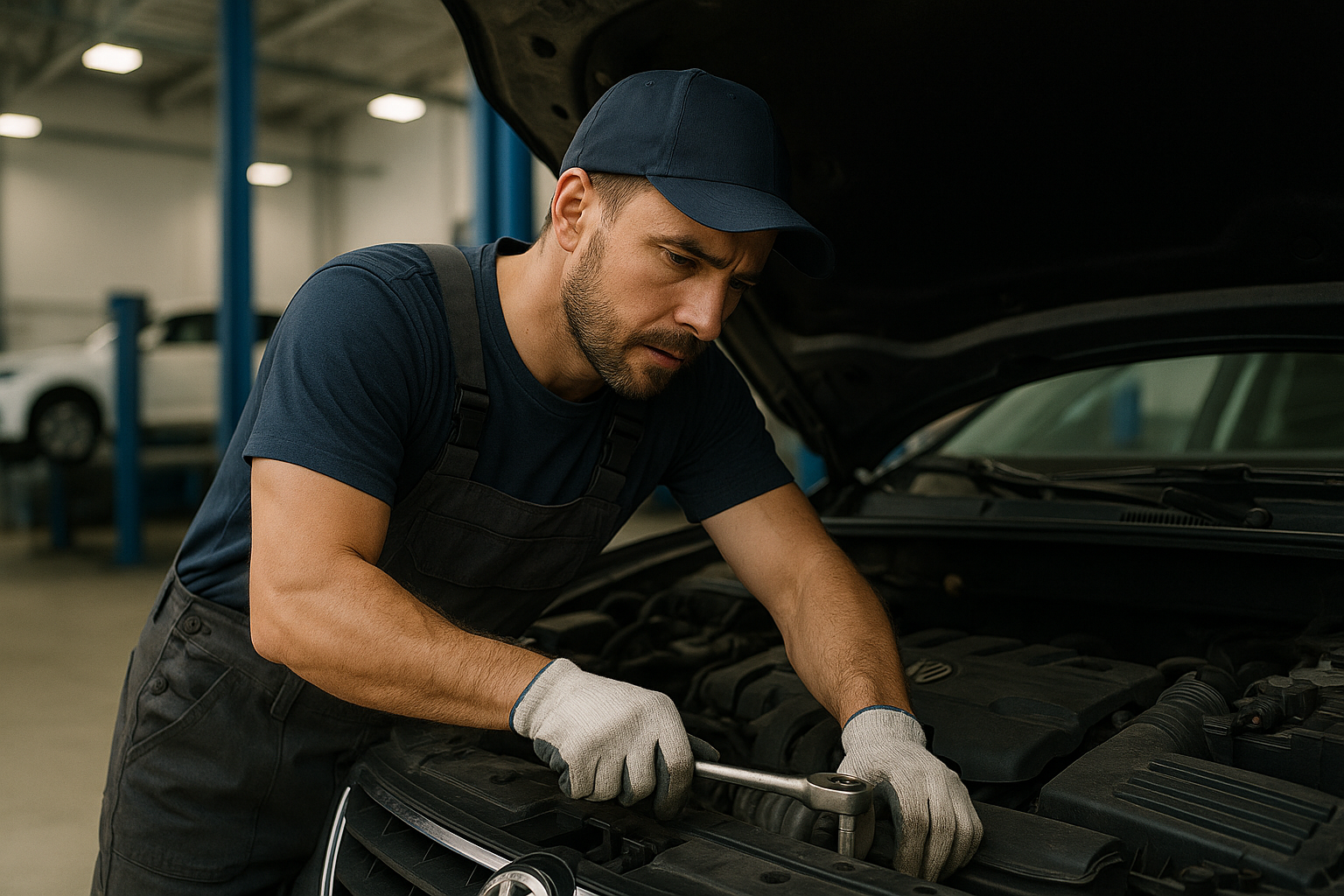
Buying a used car can save you a significant amount of money, but only if you thoroughly inspect its condition. Many serious problems aren’t visible at first glance and can lead to costly repairs after the sale.
Automotive experts have shared what you should definitely look for before buying a used car to avoid unpleasant surprises. The advice was provided by Lauren Fix, founder of Car Coach Reports, and Brian Juett, owner of Casey’s Automotive in Northern Virginia, an experienced mechanic and service manager.
Checking Documents Before Buying a Used Car
The first and essential step is to check the car’s paperwork and history.
What to review:
-
title
-
vehicle history report (Carfax, AutoCheck, and similar services)
-
information on accidents, flood damage, and liens
-
whether the mileage matches the odometer reading
Lauren Fiks strongly recommends ordering a vehicle history report to uncover hidden accidents, legal issues, or tampered mileage.
Flood-Damaged Cars Pose a Special Risk
If the history indicates water damage, you must thoroughly check for:
-
the presence of mold and a musty odor
-
the condition of the electrical system and connectors
-
corrosion on the body and underbody
-
the condition of seals, gaskets, and bushings
Water damage often becomes apparent months later, rather than immediately after purchase.
Service history: the key indicator of how well the car has been maintained
The absence of service records is a red flag.
“A well-documented service history is the best indicator of how well the car has been maintained. If there are no records, assume that the work wasn’t done,” notes Lauren Fix.
Brian Juett advises checking:
-
the regularity of oil changes
-
brake system maintenance
-
compliance with the manufacturer’s scheduled maintenance
-
timing belt or chain replacement
Neglecting to replace the timing belt can lead to engine failure and extremely costly repairs.
Inspecting a used car: what to look for first
Checking the electronics and comfort systems
Before buying, you should test all electronic systems:
-
power windows
-
power seats
-
the multimedia system
-
rearview cameras
-
headlights, turn signals, and switches
Fix emphasizes that electronics repairs are among the most expensive, so it’s important to make sure that all indicators and warning lights work properly when the ignition is turned on.
Inspecting the engine compartment
There should be no signs of:
-
engine oil leaks
-
coolant
-
transmission fluid
“Even minor leaks can lead to serious breakdowns over time,” notes Juett.
It’s also worth paying attention to unusual odors:
-
a burning smell may indicate electrical problems
-
a musty smell may indicate mold or water damage
Tires, Brakes, and Suspension
Ignoring the condition of your tires and brakes can be costly.
Signs of potential problems:
-
uneven tire wear
-
beveled tread
-
severe wear on brake rotors and pads
Brian Juett recommends running your hand along the surface of the tires. If one side is more worn than the other, this may indicate problems with:
-
alignment
-
steering
-
suspension components
Inspecting the Underbody and Body: Hidden Safety Hazards
A car that looks perfect on the outside may be hiding serious problems underneath.
Lauren Fix recommends checking for:
-
signs of rust and corrosion
-
signs of frame repairs
-
deformations or welds
Problems with the underbody and frame not only shorten the car’s lifespan but can also pose a real safety hazard.
Why It’s Important to Have a Used Car Inspected by a Certified Mechanic
Both experts agree: a pre-sale inspection by a certified mechanic is essential.
Benefits of a professional inspection:
-
detection of hidden defects
-
an objective assessment of the car’s condition
-
negotiation leverage
-
savings on future repairs
A small investment in diagnostics can save you thousands of dollars after your purchase.
Conclusion
Buying a used car requires careful attention and a systematic approach.
Before closing the deal, it’s important to check:
-
the car’s documents and history
-
maintenance records
-
the electronics and engine
-
tires, brakes, and suspension
-
the undercarriage and body
-
Certified Mechanic’s Report
This approach significantly reduces risks and helps you choose a truly reliable used car.
📌 Stay up to date on the latest automotive news at bex-auto.com


