



How to charge an electric car during a blackout: Odesa residents have shown a working life hack
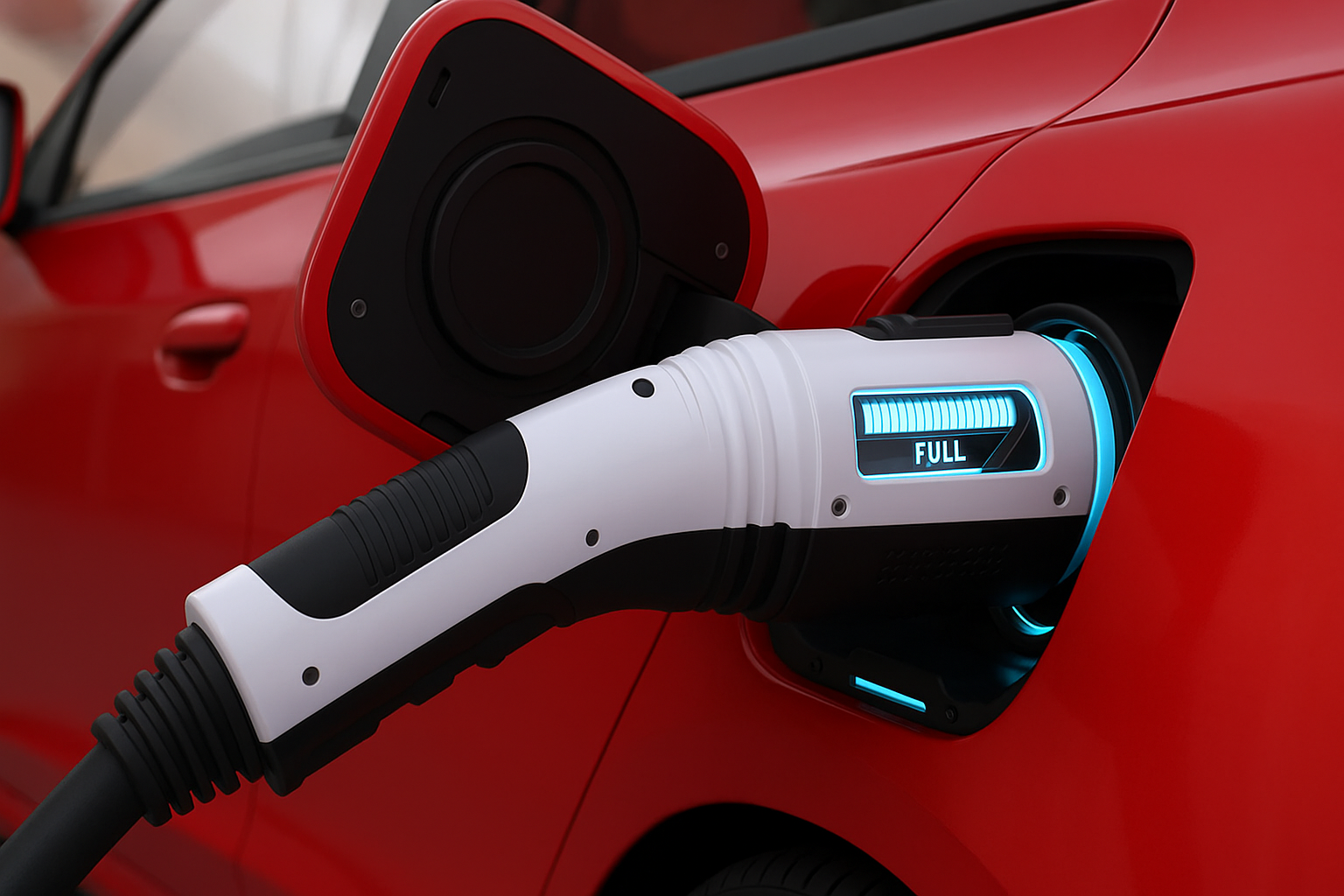
In Odessa, where power outages continue due to heavy shelling of energy infrastructure, residents are forced to adapt to new living conditions. This also applies to electric vehicle owners, for whom the lack of electricity has become a serious challenge.
One Odessa resident demonstrated a practical way to charge an electric vehicle during a blackout using a gasoline-powered generator. A video of the experiment was published by the publication “Dumskaya.”
Charging an EV Without Electricity: How the Generator Works
The published footage shows a gas station and an electric car with its trunk open. Inside the trunk is a 6.5 kW gasoline generator, which is used to charge the battery.
According to the electric car’s owner:
“You fill the generator’s tank to the brim. In one hour, it charges enough for about 30 kilometers of range. That’s enough to get me further. I’ll be driving this way from now on.”
In essence, this is a makeshift hybrid system where gasoline is used to generate electricity when there’s no access to the power grid.
User reactions: It works, but there are some caveats
The life hack sparked lively discussion online. Users noted both the practicality of the solution and its limitations:
-
it makes more sense to place the generator on a trailer or a roof rack
-
it’s possible to convert the generator to run on gas
-
not every electric vehicle charges properly due to the shape of the sine wave
-
In Ukraine, electric vehicles require alternative solutions
-
in fact, gasoline is still being used, albeit indirectly
Experts note: For stable EV charging, an inverter generator with a “pure” sine wave is required; otherwise, the vehicle’s electronics may refuse to accept a charge.
Safety and Limitations of This Charging Method
Using a generator to charge an electric vehicle involves several important considerations:
-
Do not place the generator in an enclosed space without ventilation
-
You must consider the load and ensure the power rating is sufficient
-
Charging will be slower compared to a standard charging station
-
Fuel consumption increases
Nevertheless, in the event of emergency power outages, this method can serve as a temporary solution, especially for urgent trips.
The Power Supply Situation in Odesa
According to Sergey Lysak, head of the Odessa Military City Administration, power engineers have reconnected nearly all critical infrastructure facilities to the grid. Emergency restoration work continues around the clock.
Lysak urged residents:
“Unplug electrical appliances from outlets and turn them on gradually once power is restored to reduce the load on the grid and prevent outages.”
Authorities are also urging residents to turn on their appliances in stages to avoid overloading the grid.
Resilience Centers in Odessa and the Region
To support the population during power outages:
-
more than 400 resilience centers are operating in Odesa
-
About 760 such centers have been set up in the Odesa region
There, people can charge their devices, stay warm, and receive basic assistance.
Conclusion
Charging an electric vehicle from a generator isn’t ideal, but it’s a practical solution during a blackout. The experience of Odessa residents shows that even without electricity, EV owners find ways to stay mobile.
📌 Stay up to date on the latest automotive news at bex-auto.com


