



First, do no harm: what you shouldn't do when trying to defrost your car in winter
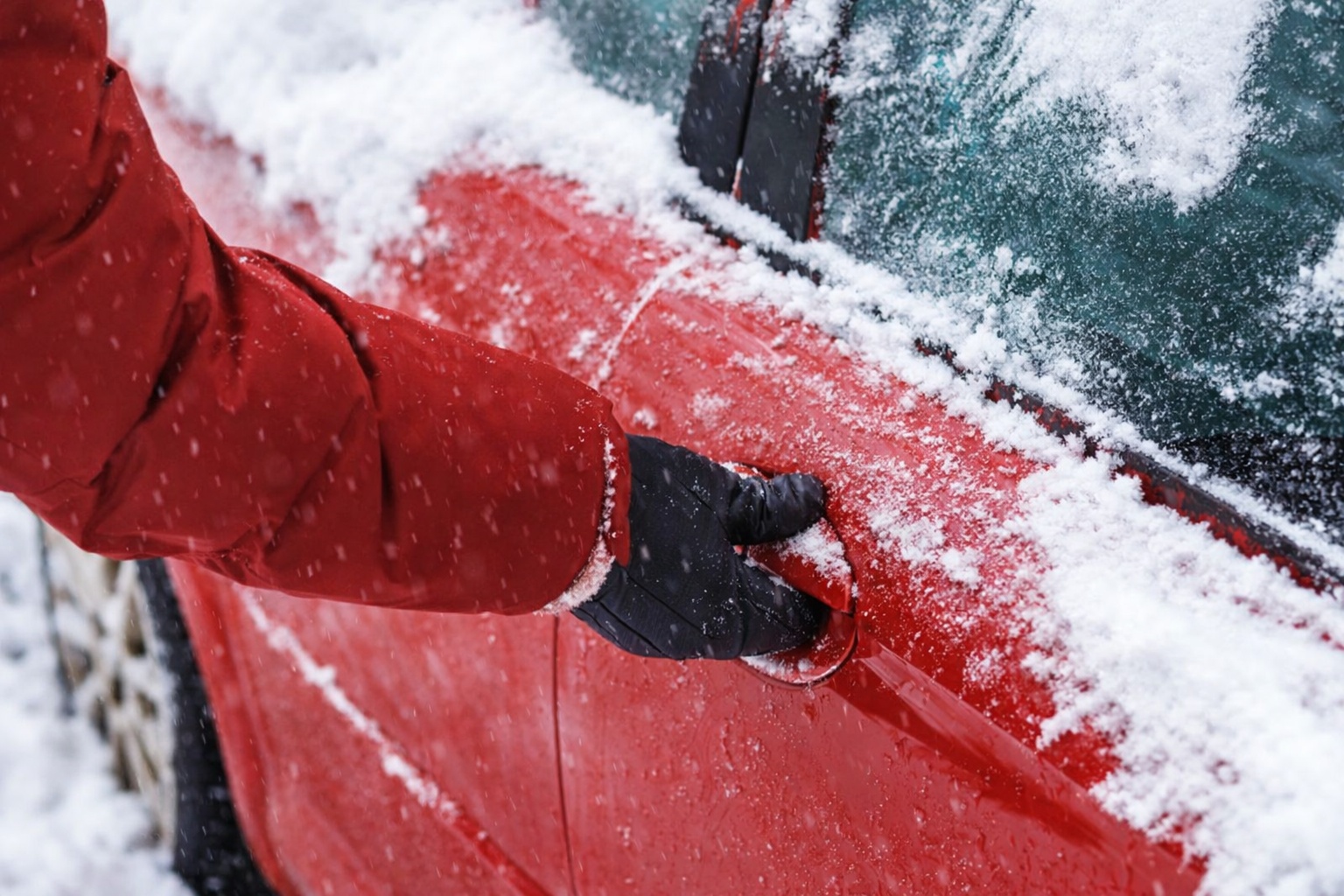
In winter, many drivers face the same problem—frozen car doors, locks, windshield wipers, and windows. In their rush to get on the road, drivers often make mistakes that can lead to breakdowns and costly repairs.
Here’s what you should absolutely avoid when defrosting your car to protect both your vehicle and your peace of mind.
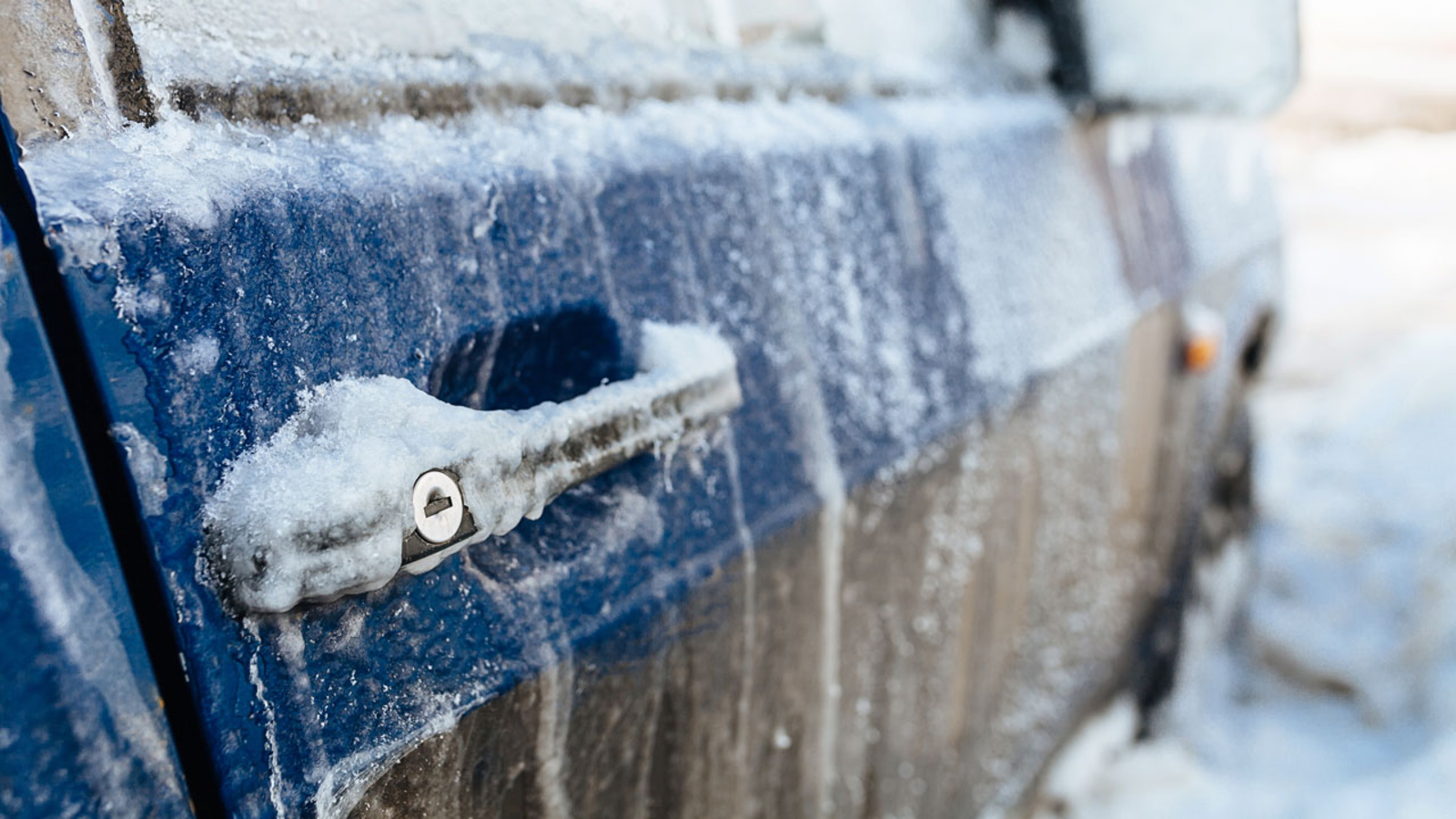
Don’t yank on frozen doors or handles
If a car door is frozen shut, don’t yank on the handle. In freezing temperatures, plastic parts become brittle, and there’s a risk of:
-
breaking the door handle;
-
damage the opening mechanism;
-
damage the door seals.
The correct method is to gently press the door against the car body so that the ice under the rubber seal gradually cracks. This is safer and more effective.
Do not try to force the lock open
If the key won’t turn in the lock:
-
do not use force;
-
do not wiggle the key.
In cold weather, metal becomes less pliable, and the key can easily break right inside the lock. As a result, you’ll have to pry open the door and replace the lock cylinder.
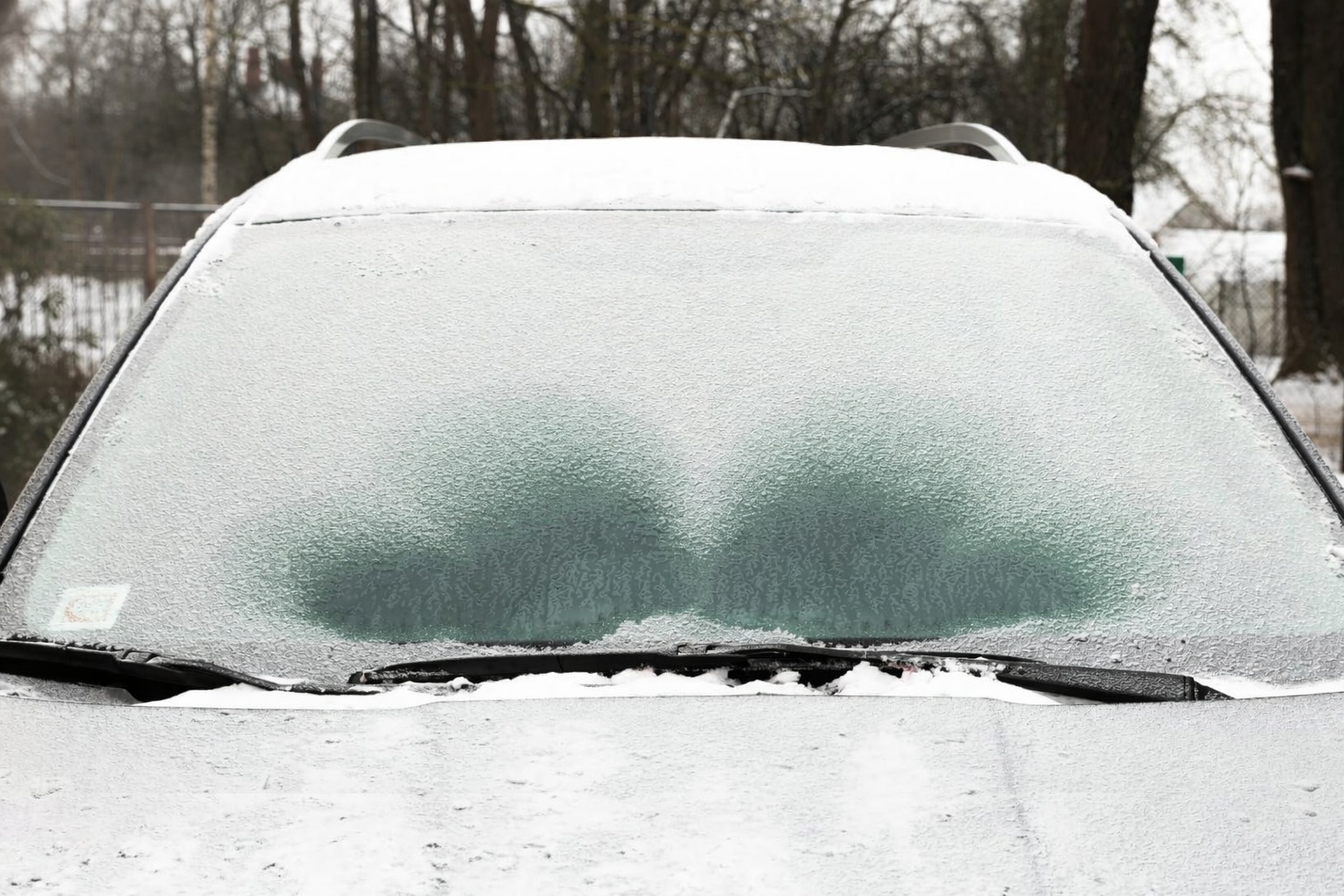
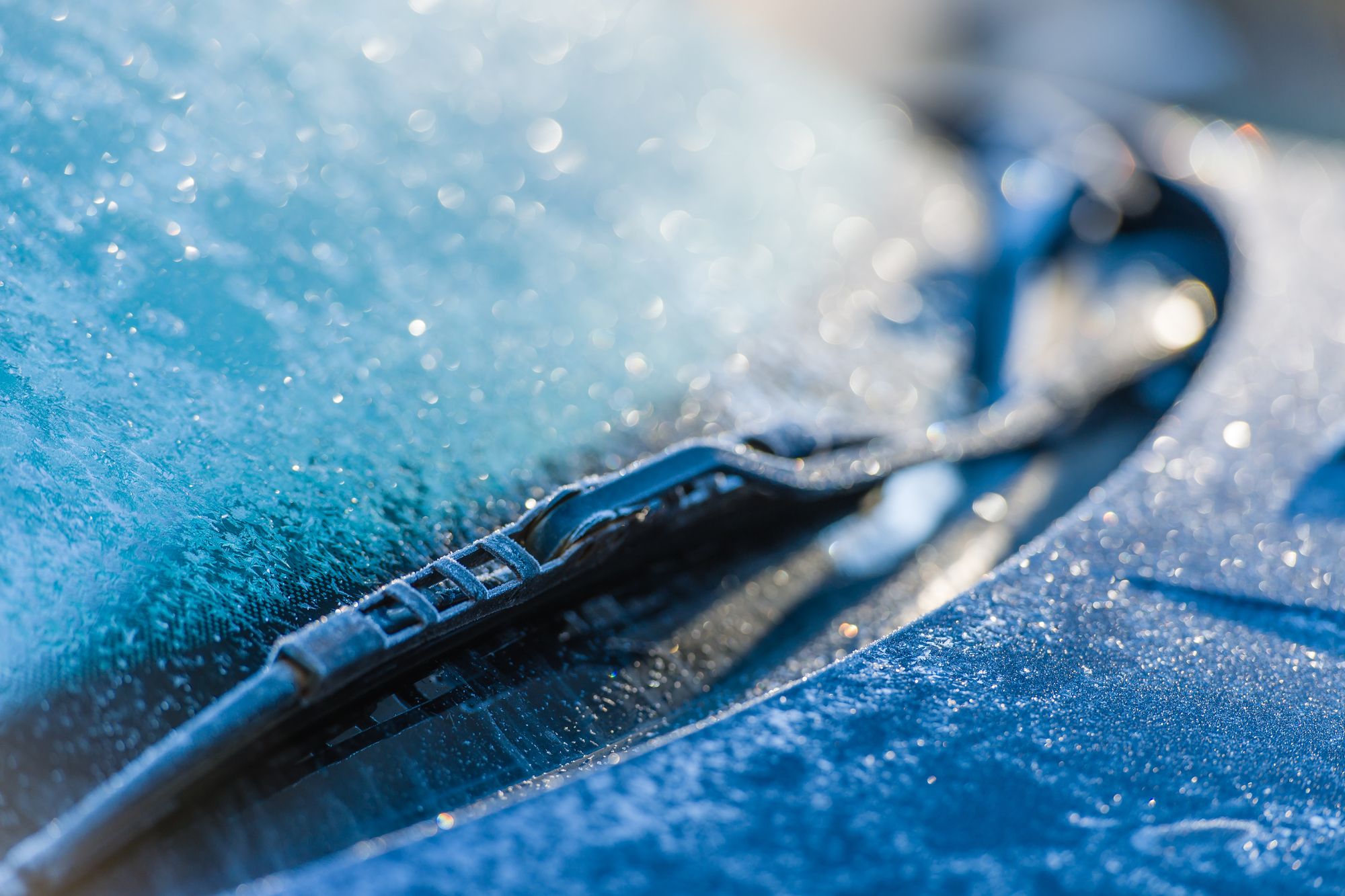
Do not pull off frozen windshield wipers
One of the most common mistakes is trying to force the windshield wipers off the glass or turning them on immediately after starting the engine.
This can lead to:
-
the wiper blades tearing off;
-
damage to the windshield wiper mechanism;
-
scratches on the windshield.
It’s better to defrost the windshield first, and then gently release the wipers.
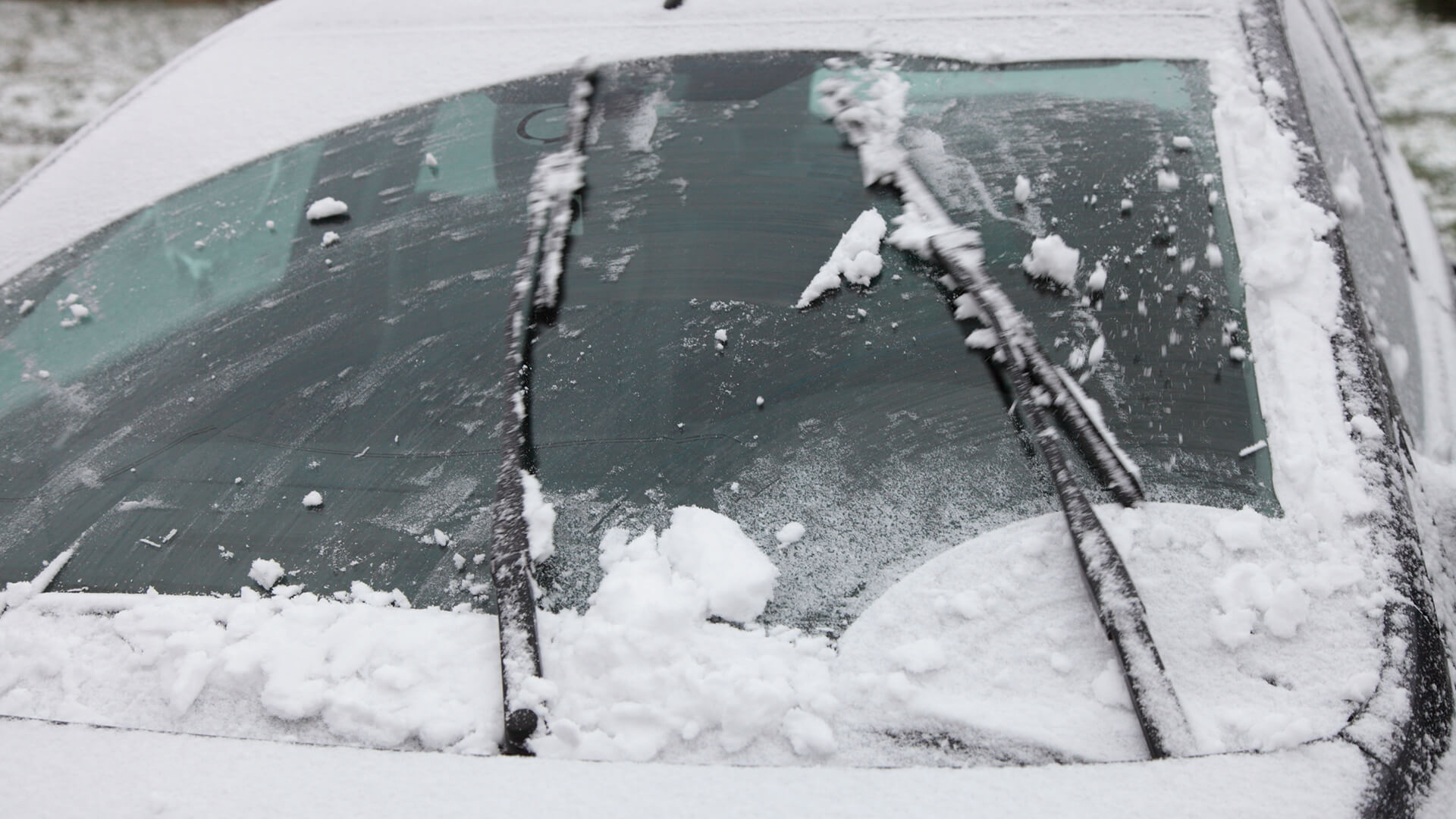
Never pour boiling water on your car
Using boiling water is one of the most dangerous ways to defrost a windshield. Due to the sudden temperature change:
-
the glass may crack;
-
the paint finish will be damaged;
-
microcracks may form.
You should also avoid using acetone, vinegar, and corrosive liquids—they damage the paint and seals.
Do not use metal scrapers or sharp objects
Knives, putty knives, and other metal objects:
-
easily scratch the glass;
-
damage the paint;
-
leave marks that are impossible to remove later.
To remove ice, use only a plastic scraper and take your time.
Don’t crank the starter for too long
If the engine won't start:
-
do not hold the starter for more than 10–12 seconds;
-
do not make repeated attempts right after each other.
This:
-
won’t help start the engine;
-
will quickly drain the battery;
-
put extra strain on the starter.
It’s better to pause, let the battery recover, and try again.
Conclusion: Caution is more important than speed
In winter, driving requires patience and care. Most damage caused by freezing temperatures isn’t due to the weather, but rather to the driver’s mistakes.
If you act calmly and correctly, you can:
-
avoid breakdowns;
-
maintain your car’s appearance;
-
save on repairs.
Sometimes it’s better to spend an extra 5–10 minutes defrosting than to spend hours and money at the repair shop later.
📌 Stay up to date on the latest automotive news at bex-auto.com


