



How to buy a car in the USA and not miscalculate on repairs: a defect-assessment checklist for Copart and IAAI
Buying a car at Copart or IAAI auctions is an exciting process that can save you 30% to 50% of your budget compared to the local market. But there’s a downside: the risk of buying a “pig in a poke.”
To ensure your savings don’t turn into endless repair bills, the experts at BEX AUTO have prepared a professional checklist for identifying defects in auction lots based solely on photos.
1. Visual Defect Inspection Checklist (Based on Photos)
Auctions provide 10–15 standard photos. Your task is to read between the lines.
A. Body Geometry
The most expensive repair is restoring the car’s “frame.”
-
Gaps: Compare the gaps between the hood and fenders, and between the doors and the body. If the gap is 5 mm on one side and 2 mm on the other, the body alignment is compromised.
-
Roof and pillars: Look for even the slightest creases (“accordion folds”) in the metal of the roof above the door openings. If they’re there, the impact was severe, and the structural framework is damaged.
B. Underhood Area
-
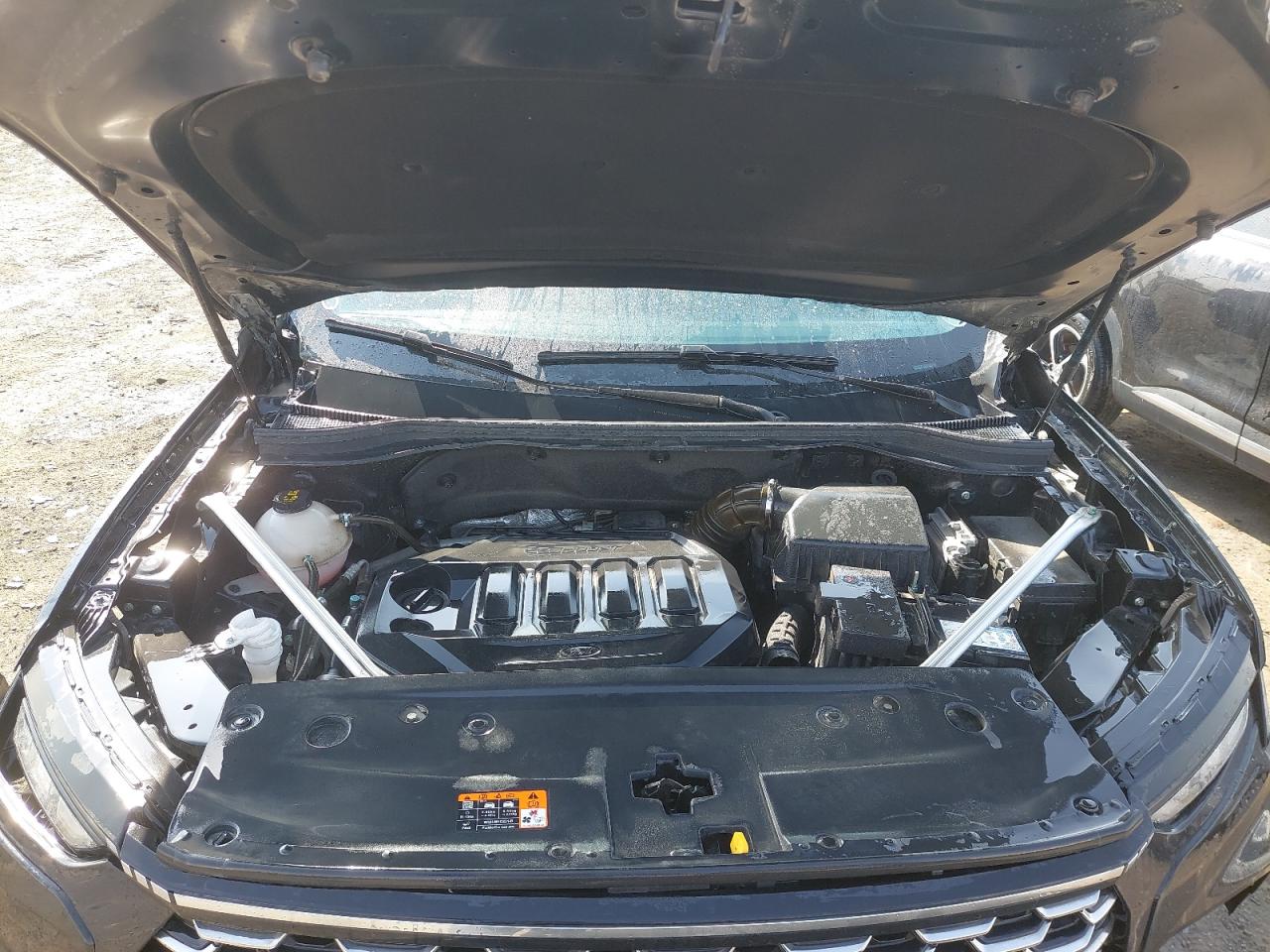
Side members: In the photo of the engine, take a close look at the front side members. If they are bent or show traces of fresh paint, this is a sign of complex and expensive bodywork repairs.
-
Fluids: A lack of antifreeze in the reservoir or oil stains on the engine guard are signs of a cracked radiator or damage to the engine block.
2. Caution: “Dummy Cars” (Re-listed cars)
A “re-listed car” is a vehicle that has been severely damaged, bought by a dealer, hastily “patched up” (with matching parts slapped on), and put back up for auction as having only minor damage.
How can you spot the scam?
-
Seller: If the seller isn’t an insurance company but a private individual or a dealer, that’s a cause for concern.
-
Sales history: We always check the VIN through services like BidFax or Stat.vin. If the car was sold a month ago in a “stripped-down” condition but now looks intact, it’s 100% a “dummy car.”
3. Red Flags: Types of Damage
Not all damage is equally beneficial. We’ve compiled a difficulty rating:
| Type of Damage | Should you buy it? | Comment |
| Rear End | ✅ Yes | The safest option; the components are intact. |
| Side (Side Impact) | ⚠️ Caution | Hidden damage to the struts and suspension is possible. |
| Front End (Front Impact) | ⚠️ Caution | Requires a thorough inspection of the radiators and engine for defects. |
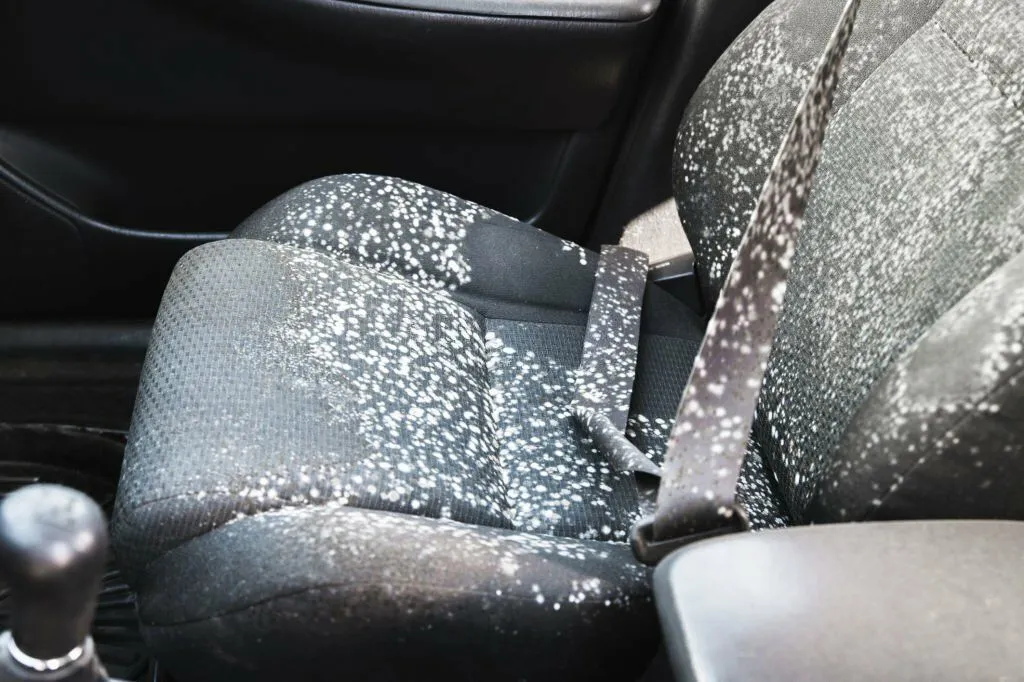
| Flood (Flood-Damaged Vehicle) | ❌ No | The electronics will corrode and malfunction for years. |
| Rollover | ❌ No | The body’s geometry is irreversibly compromised. |
4. Hidden costs: multiply by two
The biggest mistake a beginner makes is estimating repair costs based only on visible parts.
-
Internal clips and brackets: Each headlight is held in place by plastic tabs. If they’re broken, the headlight needs to be replaced.
-
Electronics: Parking sensors and adaptive cruise control radars cost hundreds of dollars.
Our formula: Have you calculated the cost of the visible parts? Add another 30–50% for hidden defects that will only be discovered during disassembly at the repair shop.
Conclusion
Buying on Copart or IAAI is a labor-intensive process. If you’re not willing to risk your money, leave the defect assessment to the professionals. At BEX AUTO, we inspect every lot based on over 50 criteria, order CARFAX reports, and take full responsibility for the results.
Want to know how much a specific car will cost, including delivery and repairs?
📲 Submit a request for selection and pricing


