



The Nissan Ariya electric crossover has been fitted with solar panels on the hood and roof: what it delivers in practice
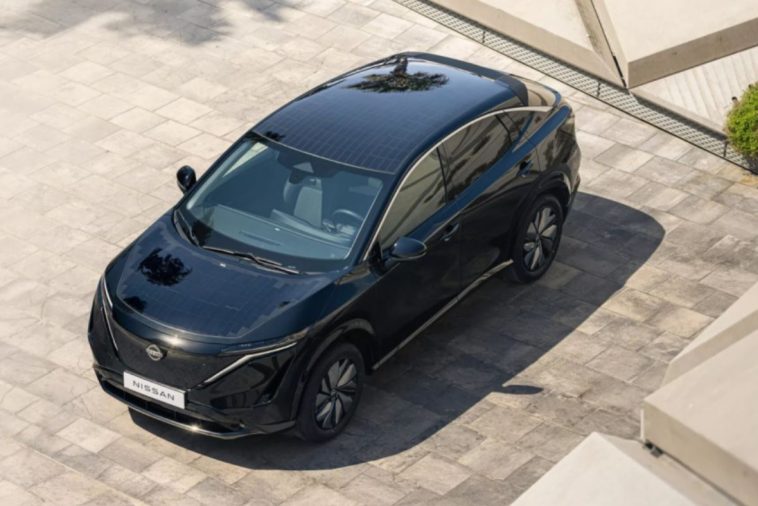
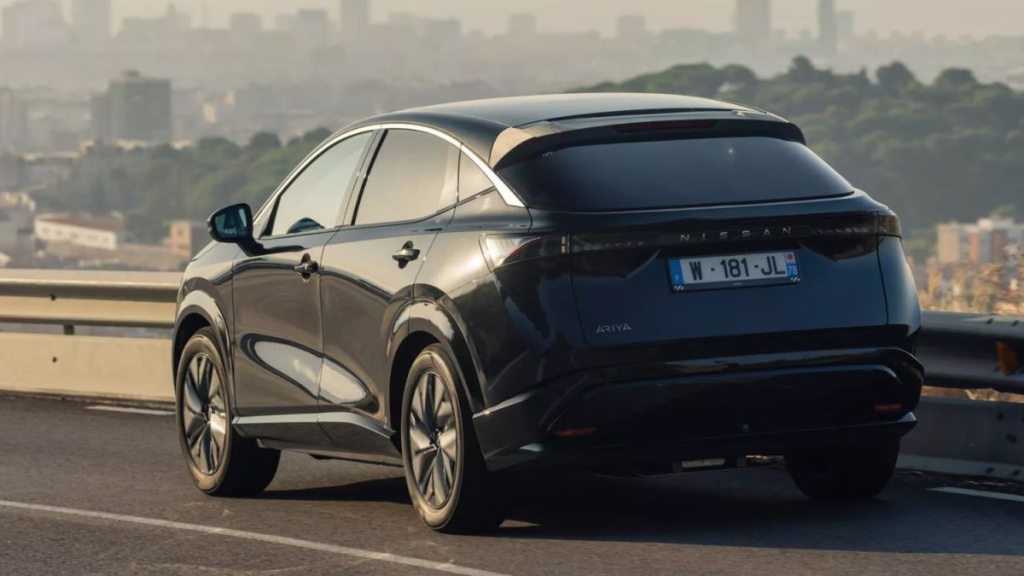
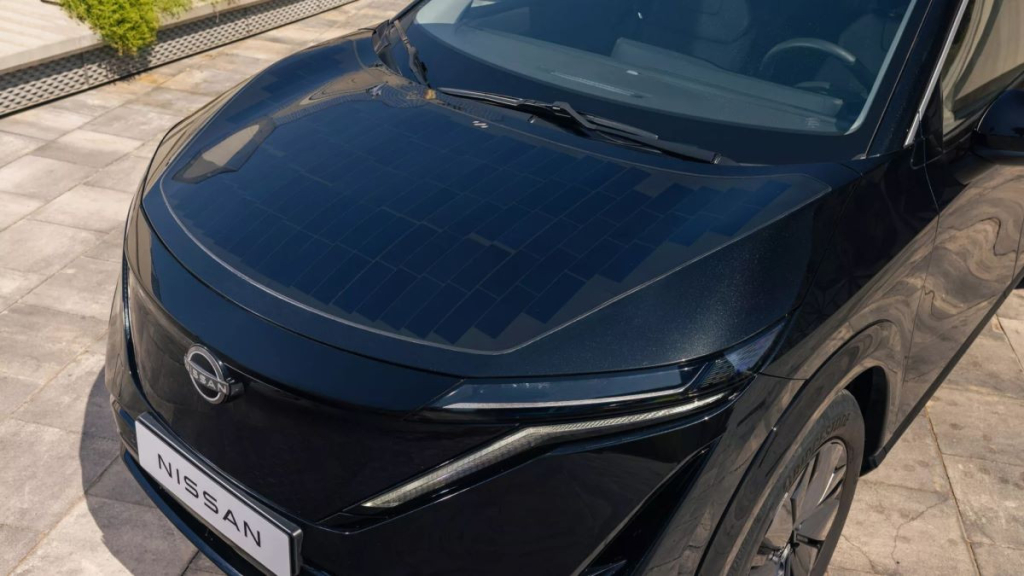
Nissan has unveiled an innovative version of the Nissan Ariya electric crossover, which features solar panels on the hood, roof, and rear window. The new model was unveiled as part of International Clean Energy Day, showcasing one possible way to increase the range of electric vehicles and reduce their carbon footprint.
Solar Panels from Lightyear: Technology of the Future
The experimental Nissan Ariya was developed in collaboration with engineers from the Dutch startup Lightyear, known for its Lightyear 0 solar electric vehicle project. Although the production model has not yet hit the market, Lightyear’s solar panel technology remains among the most advanced in the industry.
The crossover features a coating of polymer-glass solar cells with a total area of 3.8 m², integrated directly into the vehicle’s body. These panels are capable of generating electricity both while driving and when parked.
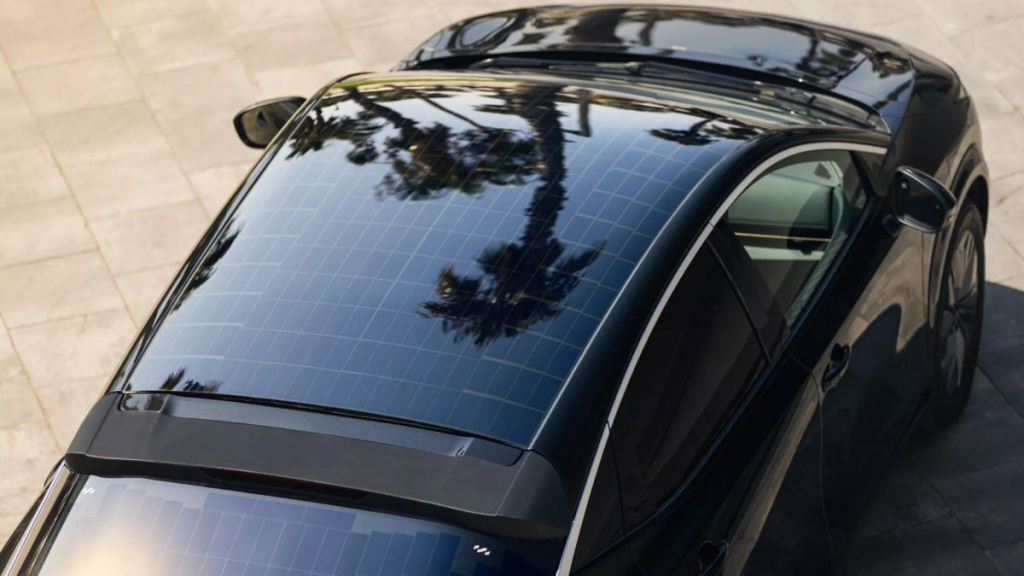
How Much Energy Do the Nissan Ariya’s Solar Panels Generate?
At first glance, the effect of the solar panels seems modest, but the actual figures are quite impressive:
-
up to 23 km of additional range per day—under ideal sunny conditions;
-
Barcelona—about 17.6 km of range per day;
-
London—about 10.2 km;
-
Dubai—up to 21.2 km per day.
In addition, while driving a distance of 80 km in two hours, the system is capable of generating about 0.5 kWh of energy, which is equivalent to approximately 3 km of additional range.
Real-world testing: fewer charges on long routes
Nissan obtained even more impressive results during a 1,550-km test drive from the Netherlands to Barcelona. According to engineers’ calculations, over a long distance of 6,000 km, the number of charging stops for an electric vehicle equipped with solar panels could be reduced from 23 to 8.
This is especially important for long-distance trips, where every additional charge means a loss of time.
The Future of the Technology and Nissan’s Plans
Nissan has not yet confirmed whether such large solar panels will appear on production versions of the Ariya or the brand’s other electric vehicles. However, the company emphasizes that such developments are an important step toward its strategic goal:
achieving full carbon neutrality across the entire life cycle of Nissan’s products by 2050.
Conclusion
The solar panels on the Nissan Ariya do not yet replace a charging station, but even today, they:
-
reduce dependence on external charging;
-
improve the electric vehicle’s efficiency;
-
make everyday use more eco-friendly.
Even a few dozen kilometers of “free” range per day can significantly change the experience of owning an electric car in the future.
📌 Stay up to date on the latest automotive news at bex-auto.com


