



How long do electric-car batteries actually last: the results of a large-scale study
Electric vehicles are rapidly gaining ground in the global market, and more and more drivers are switching to electric transportation. However, one question continues to concern potential buyers: how long does an electric vehicle’s battery last, and how quickly does it degrade?
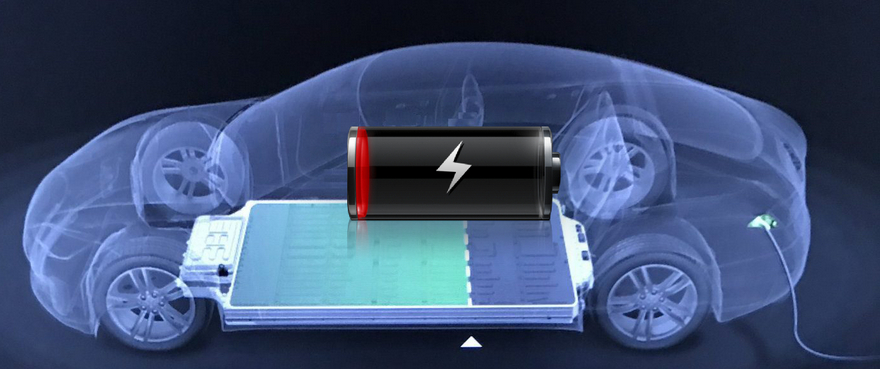
The answer comes from the Canadian company Geotab, which has been analyzing the actual condition of electric vehicle batteries worldwide since 2020.
Scope of the study: data from 22,700 electric vehicles
In its latest report, Geotab analyzed data from 22,700 electric vehicles across 21 brands and models that were operated under real-world conditions—without laboratory assumptions.
The study covers:
-
private vehicles;
-
corporate fleets;
-
various climate zones;
-
various driving styles and charging methods.
The results of the study were reported by the industry publication New Atlas.
Average battery degradation is just 2.3% per year
The study’s key finding:
the average rate of electric vehicle battery degradation is 2.3% per year.
According to Geotab’s calculations, this means:
-
the battery’s service life is 13 years or more;
-
even after 10–12 years of use, the battery retains about 75% of its capacity.
For most drivers, this means the battery will outlast the car itself.
Why This Matters for Average Car Owners
These results are particularly compelling when viewed against car ownership statistics. For example, a 2024 study by the insurance company The Zebra showed that in the U.S., owners keep their cars for an average of about 8 years.
This means that:
-
most drivers will not experience critical battery degradation;
-
electric vehicles are well-suited for both personal use and fleet operations;
-
fears of “rapid battery degradation” are greatly exaggerated.
What Affects Electric Vehicle Battery Degradation
Geotab emphasizes that battery degradation is not the same for all vehicles. The rate of degradation is influenced by:
-
the battery model and type;
-
climate and temperature conditions;
-
driving style;
-
charging method.
Fast charging accelerates battery degradation
Research confirms that
frequent use of DC fast charging does indeed accelerate battery degradation compared to slow AC charging.
The reason is the increase in battery temperature during intensive charging. However, even taking this factor into account, the average wear and tear remains moderate.
Why the figures have changed compared to 2024
An interesting point: in Geotab’s previous report for 2024, the average degradation rate was 1.8% per year.
The company attributes the increase to two factors:
-
a significant expansion in the volume of data analyzed;
-
an increase in the share of electric vehicles that regularly use fast charging.
Conclusion: EV batteries last longer than many people think
Recent studies show that
electric vehicle batteries are designed for many years of use and, in most cases, do not need to be replaced during the standard ownership period of a vehicle.
📌 Stay up to date on the latest automotive news at bex-auto.com


