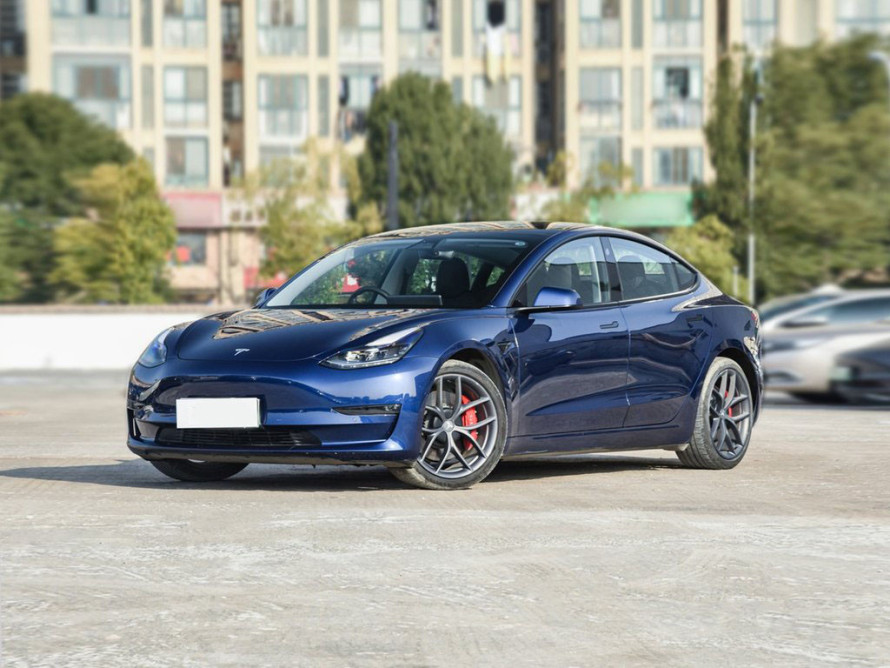
Tesla is recalling its electric cars from the market: what it means
From time to time, reports appear in the media that the world’s leading electric vehicle manufacturer is recalling its cars from the market due to various issues. In the second half of 2023 alone, this happened three times:
- 16,000 cars—July 21.
- 55,000 cars – October 17.
- 2 million cars – December 13.
What is prompting Elon Musk to take such steps, and where do all those defective cars end up?
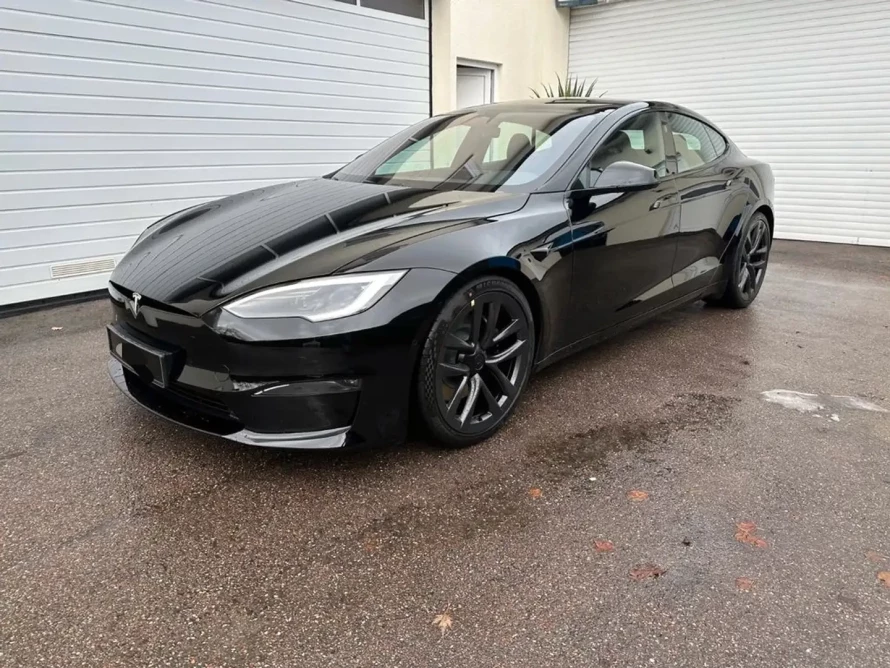 Bex Auto allows Ukrainians to buy a new electric vehicle, including a Tesla, at an affordable price. Let’s try to figure out what’s behind these vehicle recalls.
Reasons Why Tesla Recalls Its Cars from the Market
Whenever problems arise during a vehicle’s operation that lead to accidents, these incidents are documented, particularly by insurance companies. When a critical mass of similar faults accumulates, regulatory agencies take notice, investigate the details, and file a lawsuit against the manufacturer for negligence. This is one of the paths that leads to a product recall. Another is the company’s own research and its response to feedback from Tesla owners.
The list of issues that have led to the recall of hundreds of thousands of cars is quite long. Here are some of them:
- the taillights may not illuminate;
- the vehicle’s control unit may fail to detect low brake fluid levels and may not activate a warning signal;
- the front-row seatbelts may not have been properly secured after repairs;
- suspension issues;
- malfunctioning automatic window closing;
- navigation system issues—the most recent and largest recall.
Whenever such a situation arises, Tesla owners receive a notification from the company asking them to check whether their model is on the recall list.
What Happens to Recalled Electric Cars
If you have a vivid imagination, you might picture a giant testing ground where thousands of cars roll in, only to be crushed by a massive roller into huge piles of scrap metal. In reality, however, the process is not nearly as drastic. When a company issues a recall, it means that every owner—regardless of the car’s age or mileage—will receive a free repair for the component that caused the problem. The company does not disclose the cost of such repairs, but their scale can be roughly estimated by comparing the cost of replacement parts with the number of recalled cars.
Why Is Tesla Incurring These Costs?
Still, let’s summarize the reasons that prompt Musk to incur such significant expenses:
- the emergence of new solutions and technologies that enable the improvement of vehicles;
- ethical standards that compel the company to ensure the safety of its electric cars;
- protecting the automaker’s reputation in a highly competitive market;
- cost savings: lawsuits can end up costing significantly more than a recall;
- scrutiny from regulatory bodies and the media.
One might say that this is due to special attention from the Department of Justice and the National Highway Traffic Safety Administration (NHTSA), but that would not be true. After all, the company almost always issues a recall before a court ruling—and often even before the relevant authorities take notice of the problem.
Tesla Is in Good Company
To be fair, it should be noted that Tesla isn’t the only one facing such setbacks. For example:
- Volkswagen, Stellaris, General Motors, and Mercedes-Benz were forced to recall their electric vehicles due to internal defects in LG Energy Solution batteries manufactured in Korea.
- Toyota and Hyundai recalled their cars due to the risk of fire and battery malfunctions.
When you’re the leader, the attention focused on you is much greater—and not always favorable. To maintain your flagship status, you have to be a little better than your competitors in every way. Or at least strive to be.