



High tariffs are blocking imports of the new KIA Tasman pickup into the USA: what's happening and why the model may never reach the market
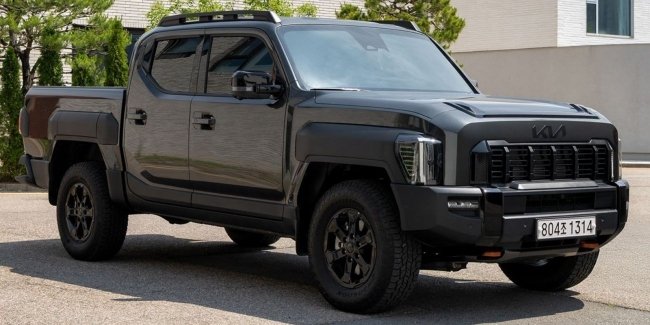
KIA is seriously considering launching its new KIA Tasman pickup truck in the U.S., which is the world’s largest pickup truck market. However, current U.S. tariffs and customs regulations effectively block the model’s path to American buyers.
Despite growing interest in the new model, economic realities make importing the Tasman virtually impossible.
The main problem is the infamous 25% “chicken tax,” as well as additional duties
Pickup trucks manufactured outside the U.S. face the so-called “chicken tax”—a 25-percent import tax introduced back in the 1960s.
For the Kia Tasman, the situation is even more complicated: in addition to the base rate, the model is subject to additional customs duties, which increase the total cost by approximately another 25%.
The result: the pickup is taxed at nearly 50% even before it reaches the U.S. market, which automatically makes its price higher than that of competitors such as the Toyota Tacoma, Ford Ranger, and Chevrolet Colorado.
Why the U.S. Could Theoretically Become a Key Market for the Tasman
Although sales of the Kia Tasman in Australia remain modest, the U.S. market is the world’s largest for midsize pickup trucks.
Experts note that the Tasman:
-
is competitive in terms of features
-
offers a lower base price
-
meets the growing demand for new brands in the pickup truck segment
-
could strengthen KIA’s position in the U.S.
But tariff barriers make the model economically unviable.
KIA America: “The chances are dwindling”
Russell Wager, vice president of marketing at KIA America, confirmed that bringing the Tasman to the U.S. market is a serious challenge.
He explained:
-
Manufacturing in South Korea automatically triggers a 25% “chicken tax”
-
additional customs duties increase the cost by another quarter
-
the Tasman’s final price becomes uncompetitive
According to Weager, even with high demand, it is impossible to sell the model without significantly marking up the price.
Production in the U.S. is possible, but too expensive
Theoretically, KIA could:
-
build a new plant in the U.S.,
-
assemble the Tasman at existing plants,
-
or set up a joint venture with Hyundai.
However, this would require:
-
billions in investment
-
a redesign of supply chains
-
lengthy approvals and certifications
KIA emphasizes that automakers cannot absorb such costs without raising prices.
And any price increase automatically reduces sales—as is already evident with other brands subject to tariffs.
Conclusion: The KIA Tasman may never make it to the U.S. market
As of now:
-
The Tasman is ready for global expansion
-
There is buyer interest in the U.S.
-
but tariff barriers make shipments economically unfeasible
There are no signs yet that U.S. regulations will change.
This means the new KIA Tasman pickup risks remaining a regional model for the Asian and Australian markets.
📌 Stay up to date on the latest automotive news at bex-auto.com


