



The world premiere of BYD's Denza Z9 GT takes place on September 20. The car will come in hybrid and electric versions.
The global launch of the BYD Denza Z9 GT is scheduled for September 20. This luxury station wagon, available in plug-in hybrid (PHEV) and all-electric (BEV) versions, is currently available for pre-order in China at prices ranging from 339,800 to 419,800 yuan (approximately $47,750–$59,000). The Denza Z9 GT, manufactured under the BYD brand, features advanced powertrain options and a unique design geared toward buyers seeking high performance.
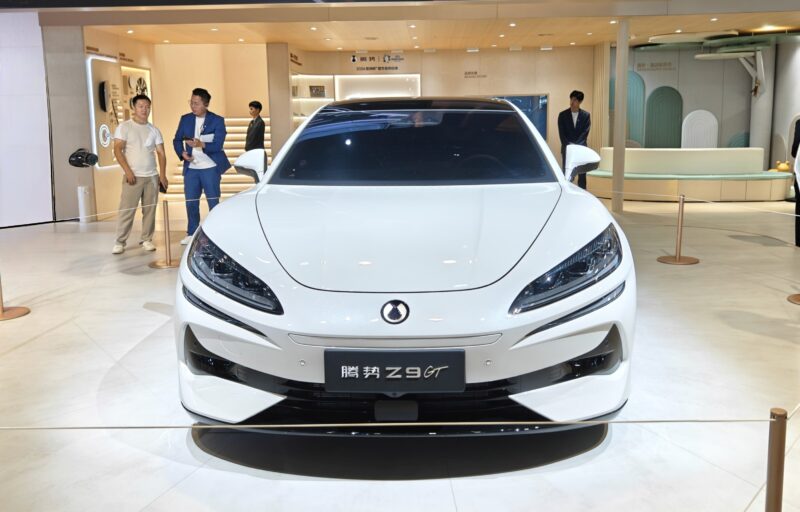
The PHEV model is equipped with a 2.0-liter turbocharged engine and three electric motors, with a combined power output of 640 kW (858 l.s.). It has a range of 1,100 kilometers, and fuel consumption with a fully discharged battery is 5.6 liters per 100 kilometers. The BEV variant, powered by three electric motors, delivers 710 kW (952 l.s.) and offers a range of 630 kilometers. The electric version accelerates from 0 to 100 km/h in 3.4 seconds, which is slightly faster than the PHEV’s 3.6 seconds.
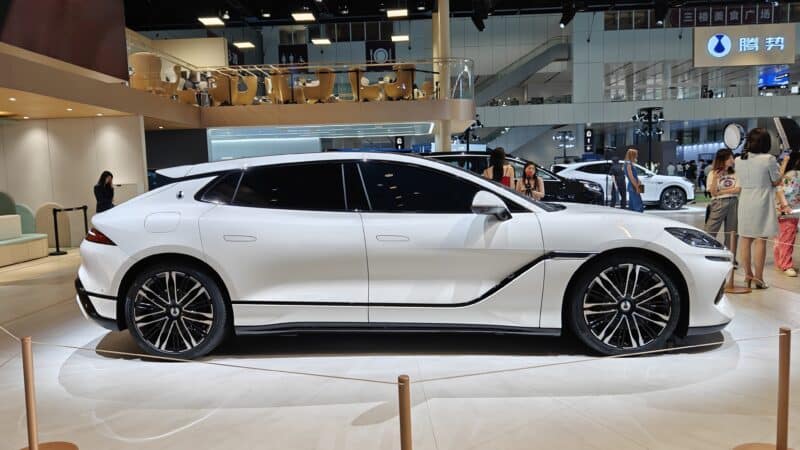
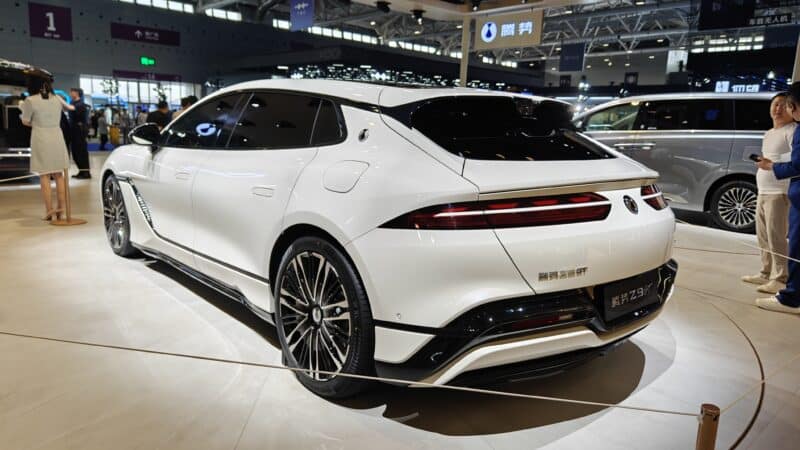
Designed by Wolfgang Egger, the Z9 GT features a distinctive grille and full-width taillights. The body measures 5,180 mm in length, 1,990 mm in width, and has a wheelbase of 3,125 mm, making it more conspicuous on the road than comparable models such as the Porsche Panamera. The PHEV model is slightly longer—5,195 mm—thanks to its more pronounced bumpers.
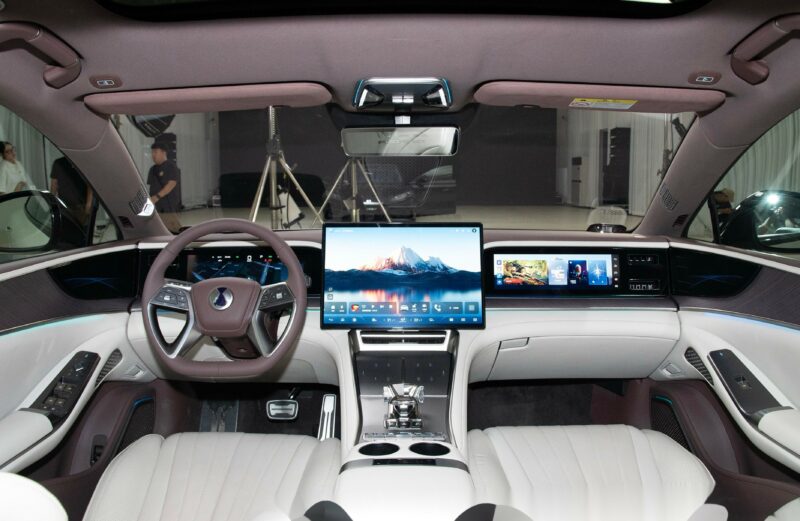
Inside, the Z9 GT offers a range of technological features, including several digital displays on the instrument panel and door panels. A key feature is the presence of two refrigerators—one for the front passengers and a larger one for the rear, which holds four bottles of wine. However, the rear refrigerator affects trunk space and limits the ability to fold down the second-row seats. The car is also equipped with air suspension and a rear-axle steering system that reduces the turning radius to 4.62 meters, improving maneuverability.
Pre-orders for the Z9 GT, available in five trim levels, are already being accepted in China. Deliveries are expected to begin in late September. The car will also be introduced to European markets, where it is expected to challenge high-end models such as the Porsche Panamera by offering a competitive combination of performance and luxury.
The PHEV model is equipped with a 2.0-liter turbocharged engine and three electric motors, with a combined power output of 640 kW (858 l.s.). It has a range of 1,100 kilometers, and fuel consumption with a fully discharged battery is 5.6 liters per 100 kilometers. The BEV variant, powered by three electric motors, delivers 710 kW (952 l.s.) and offers a range of 630 kilometers. The electric version accelerates from 0 to 100 km/h in 3.4 seconds, which is slightly faster than the PHEV’s 3.6 seconds.
Designed by Wolfgang Egger, the Z9 GT features a distinctive grille and full-width taillights. The body measures 5,180 mm in length, 1,990 mm in width, and has a wheelbase of 3,125 mm, making it more conspicuous on the road than comparable models such as the Porsche Panamera. The PHEV model is slightly longer—5,195 mm—thanks to its more pronounced bumpers.
Inside, the Z9 GT offers a range of technological features, including several digital displays on the instrument panel and door panels. A key feature is the presence of two refrigerators—one for the front passengers and a larger one for the rear, which holds four bottles of wine. However, the rear refrigerator affects trunk space and limits the ability to fold down the second-row seats. The car is also equipped with air suspension and a rear-axle steering system that reduces the turning radius to 4.62 meters, improving maneuverability.
Pre-orders for the Z9 GT, available in five trim levels, are already being accepted in China. Deliveries are expected to begin in late September. The car will also be introduced to European markets, where it is expected to challenge high-end models such as the Porsche Panamera by offering a competitive combination of performance and luxury.


